2025 Reading Recap
“Think before you speak. Read before you think.” – Fran Lebowitz
Being a reader has been a core part of my identity since I was a child. I spent many lunches in elementary school and high school reading or scanning the library shelves and musing on the worlds I could absorb myself in. Unfortunately, my reading habit was inconsistent during undergrad and the years after as I began my career. I went through several long stretches where I barely opened a single book.
In 2024 I recommitted to reading – partly to claw back my attention span from my smart phone, and partly to race my bestie, Rebecca, with how many books we can read in a year. It was healing to return to one of my favorite activities and gave me the mental exercise I was not getting anywhere else. I managed to stay consistent the last two years and am proud to debut my annual reading recap (also inspired by Rebecca)!
2025 Reading Recap
Overall, it was another stellar year for reading. I gave myself three reading goals for the year:
- Read 34 books
- Read one classic Russian novel
- Read one book about Palestine or the larger Levant
I fell short on my first goal and only read 32 books, but I accomplished my other goals for 2025! Below are some deeper dives on notable books and themes.
The best books I read this year
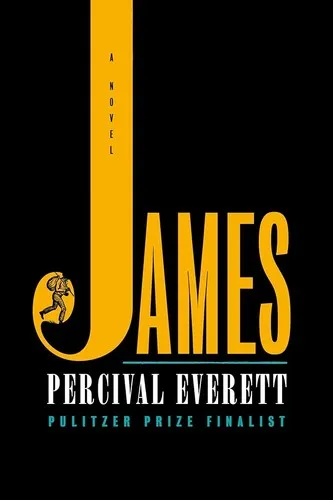
“James” by Perceival Everett was my first five-star review of the year. Rebecca and I did a paired reading of this novel with its inspiration, “The Adventures of Huckleberry Finn” by Mark Twain. Everett’s retelling of this classic novel helped the story come to life, whereas Twain’s original novel fell flat for me, despite being revolutionary for its time. The part of the novel that has stuck with me the most is Everett’s depiction of code-switching. He shows this by contrasting Jim’s highly educated dialogue when speaking to other Black people, with a folksy and subservient dialogue when Jim speaks to Huck or other white people. Unlike the original text, Everett finally gives Jim a voice to express his reasoning and motivation.
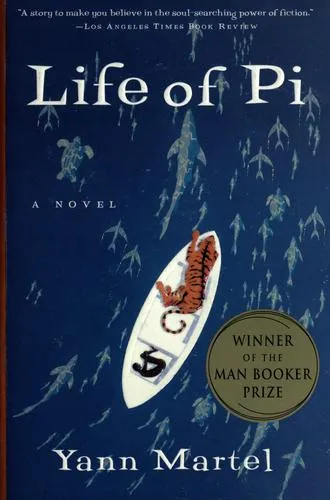
After finishing “James” it took me a bit to get another five-star review, but I soon found that in “Life of Pi” by Yann Martel. It is a modern classic for a reason. I loved his writing style and the central point of the novel; truth is relative, and does it matter more than a good story? As an aside, the film adaptation of this novel is the best 3D movie I have ever seen. If you have a chance to watch it, specifically in 3D, take it! The story was whimsical and inspiring until the end (if you know you know), which hit me harder in the novel than in the film.
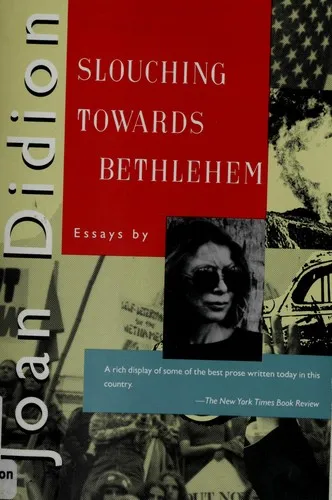
I read my next five-star review right off the heels of “Life of Pi”. I had been recommended to read Joan Didion by many people (especially Rebecca) and thought it was a good opportunity to read a collection of essays for a change. “Slouching Towards Bethlehem” by Joan Didion was my first of the works by the author, and will not be my last. I especially loved this collection as I live close to Haight-Ashbury in San Francisco and can walk by many of the places described in her essays. It also captures California in a time that I hear about from my Grandma: it’s idealized, free, and has an edge.
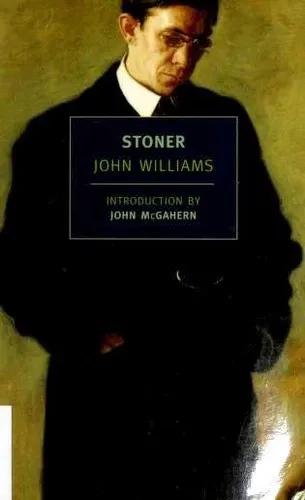
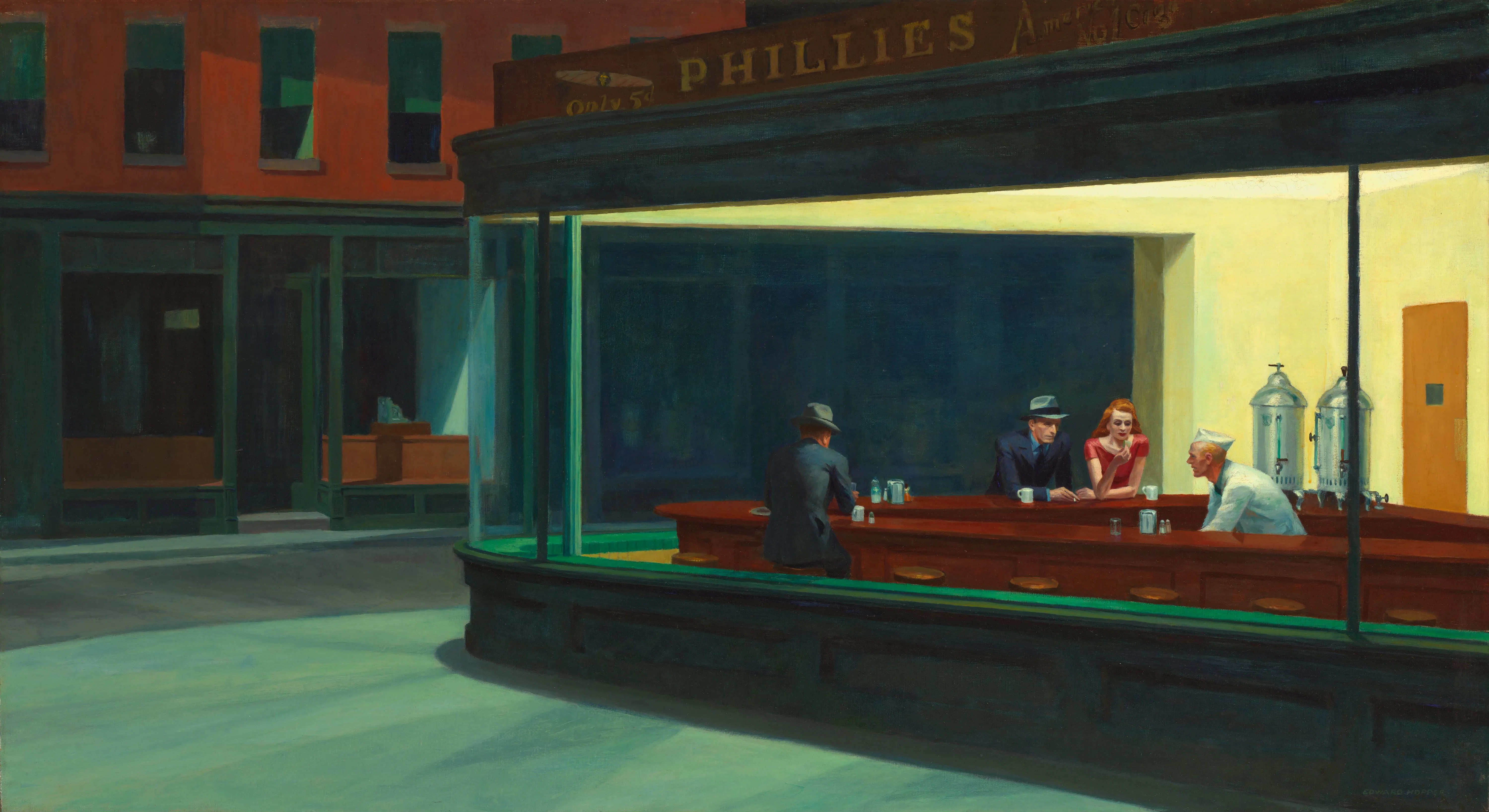
The best book I read this year was “Stoner” by John Williams. If you have talked to me about reading this year, it is very likely I recommended you read this novel. Reading “Stoner” felt like being immersed in the painting “Nighthawks” by Edward Hopper (pictured below). The prose was stark, moody, and distinctly lonely, yet still beautiful. One of the central themes that stuck with me was how to make meaning out of a mundane life. “Stoner” was evidence that even the moments or days that seem to blend into one another can add up to a fulfilling life. This message was a salve for my concerns when I felt like I was not living an exciting enough life this year. Additionally, Williams writes some of the best descriptions I have ever read of two dramatic life experiences: having an affair and the process of dying. If you have space on your reading list for next year, please consider adding “Stoner”.
Russian literature rocks
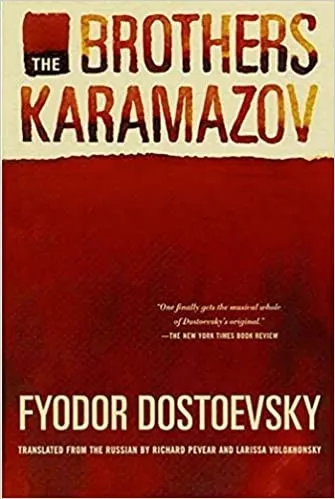
Reading one piece of Russian literature during the summer is becoming an annual tradition of mine, and in 2025 I chose to read “The Brothers Karamazov” by Fyodor Dostoevsky. I enjoyed how Dostoevsky explores the themes of religion, logic, doubt, and how they manifest in Russian identity. The brotherly connection was a great literary device to show the bond and tension between different identities and belief systems.
Ivan Karamazov was my favorite character and I have not stopped thinking about his monologue in book V, “The Grand Inquisitor”. It captured the apathy I have long felt about organized Christianity; most seek to maintain power rather than truly accept the teaching of Jesus.
Western framing of the SWANA region continues to have bloody consequences
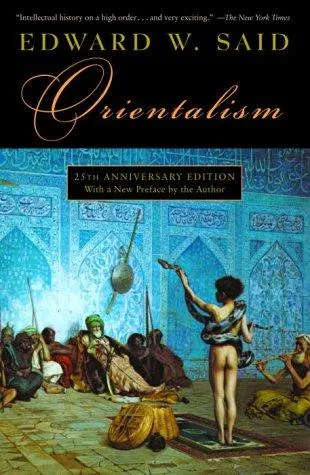
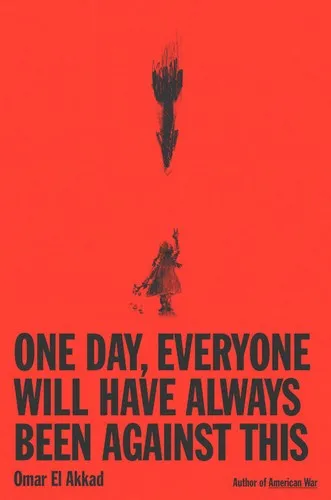
I read two books on the Levant region, one specifically about Palestine; “Orientalism” by Edward Said and “One Day, Everyone Will Have Always Been Against This” by Omar El Akkad.
The first, “Orientalism” is a foundational text that defines and rejects the false superiority of Western imperial powers over the SWANA* (Southwest Asia and North Africa) region. This book was dense and challenging to read, but its teachings have greatly influenced how I challenge the Western framing of the peoples and events in the region. At a minimum everyone should read the Wikipedia page on the novel. “Orientalism” provided important contextual understanding for how we got to current events in the other related novel I read this year.
The second, “One Day, Everyone Will Have Always Been Against This” by Omar El Akkad, is a searing indictment of the failure of Western ideals as it relates to Palestine. I appreciated his perspective because not only is he from the SWANA region, but he immigrated to Canada and the US in pursuit of the Western ideals that the US exports. His experience is important because he can uniquely highlight Western hypocrisy and show how we continually dehumanize a country, a region, and a people for our own destructive self interest until their deaths become insignificant. The people of Palestine have suffered far too much for our own benefit. We should be more enraged about this. This is a must-read for anyone with a conscience.
* Rather than use Said’s term for the region, “The Orient”, I opt to use the decolonized term, SWANA; not centering the West when describing the region feels more consistent with Said’s thesis for “Orientalism”
Earthseed might be my new religion
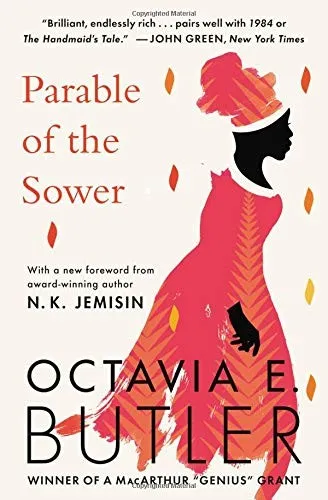
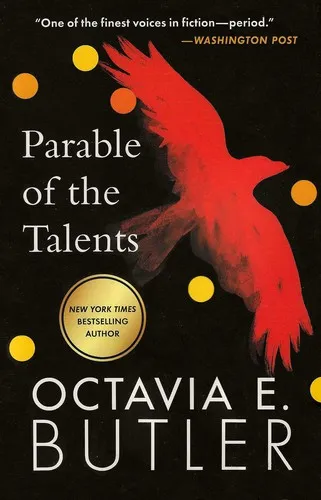
Octavia Butler is one of your favorite authors’ favorite author. After reading both her “Parable of the Sower” and “Parable of the Talents”, I completely understand why she deserves the acclaim. These novels read as a prophecy; Butler is an oracle that predicts (sometimes with horrifying accuracy) the challenges that ail our society today. Both are set in California as the main character, Lauren Olamina, struggles to live amid the impacts of widespread climate change, a government that has given up on its people, and an outbreak of extreme christofacism that threatens the life of anything opposing it. Sound familiar?
To help her deal with these considerable challenges, Olamina creates a belief system and community called Earthseed. Earthseed is founded on the principles that God is Change, Change is inevitable, and how you harness the Change is what matters. Butler’s identity as one of the few Black women who are acclaimed sci-fi writers is infused within every page of the novels. I found the Earthseed verses at the start of every chapter to be grounding when our current world feels so out of control and uncertain.
If you have made it this far, thank you for reading! This was a nice way to revisit many of the titles that were important to me. I am challenging myself to do more writing in 2026, and hope to produce more content on what I am reading in real time.